
Not Every Book Is Meant to Be Rushed
We live in a culture that obsessively measures reading by the numbers. We track how many books we finish each month, set ambitious annual goals, and often treat our reading lists like a checklist to be conquered. While setting goals can be motivating, it often causes us to lose sight of the primary purpose of reading.
Some books simply are not meant to be rushed. Certain stories ask us to slow down, to linger on a particularly moving paragraph, to reread a challenging passage, and to sit with a powerful idea long after we have closed the cover. These are the books that act as companions rather than mere tasks to be completed. They are the books worth slowing down for.
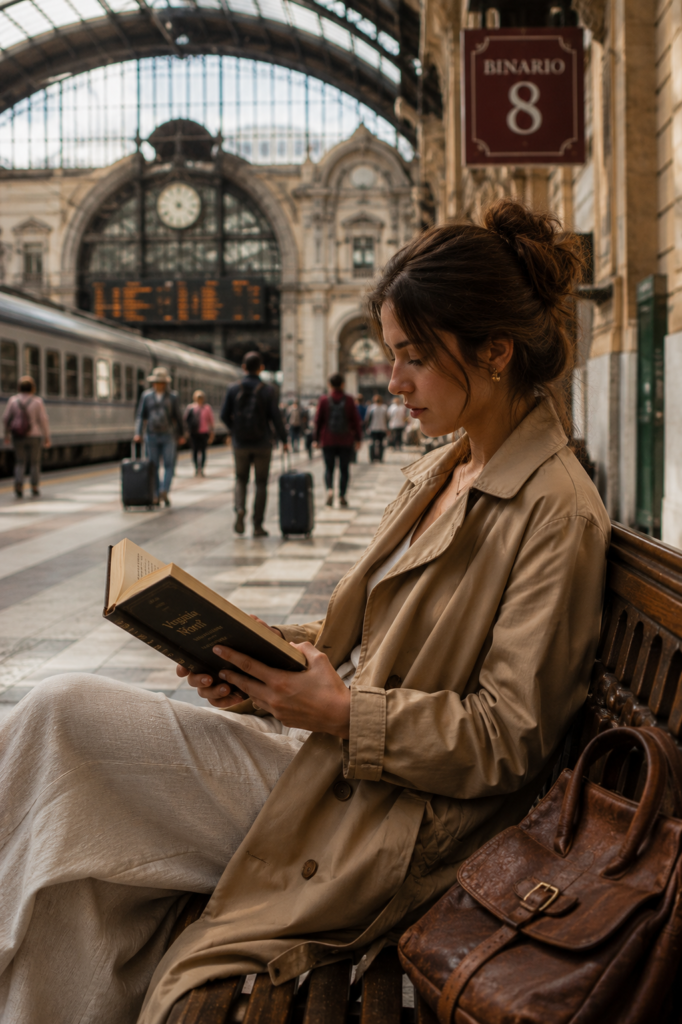
The Difference Between Reading and Experiencing
There is a profound distinction between finishing a book and truly experiencing one. Some narratives entertain us for a few hours and then quietly fade into memory, but others leave an indelible mark. These are the works that fundamentally change how we think, inspire new perspectives, and sharpen our ability to notice the nuances we had previously overlooked in our daily lives.
Books worth slowing down for invite reflection over speed. They demand that we pause and absorb their essence, rather than rushing toward the finish line of the final page.
Why We Should Curate Our Pace
When you approach a book with the intent to rush, you often miss the texture of the prose, the quiet wisdom tucked into a sentence, the subtle development of a character, or the philosophical questions that require deep contemplation.
To cultivate a “slow reading” experience, try:
- Setting a time limit rather than a page count: Give yourself 20 minutes to immerse in a book, regardless of how many pages you get through.
- Keeping a “thought journal”: If a passage moves you, stop and write down why. This turns reading into a conversation with the author.
- Choosing your environment: Pair slow books with your most comfortable rituals, a quiet morning by the window or a soft-lit evening session.
Embracing the Companion
Ultimately, the goal is to stop treating reading as a race and start treating it as a dialogue. When we stop rushing, a book transforms from a chore into a sanctuary. It becomes a space where we can breathe, think, and explore. By slowing down, we allow the narrative to settle into our lives, ensuring that it remains with us far longer than the time it took to read it.
“A room without books is like a body without a soul.”
— Marcus Tullius Cicero
What Makes a Book Worth Slowing Down For?
While every reader has their own criteria, truly memorable books often share a set of qualities that invite us to set aside our schedules and simply be with the text. Identifying these traits can help you curate a reading life that feels less like a race and more like a journey.

A Sense of Comfort: Meaningful reading isn’t always about intellectual complexity. Sometimes, a book is worth slowing down for simply because it makes you feel “at home.” Whether it is a cozy novel on a rainy afternoon, a memoir that feels like a conversation with a friend, or an essay collection that invites stillness, comfort is just as valuable as complexity.
The Qualities of a Savorable Story
- Beautiful Prose: Certain authors possess the rare ability to arrange words in a way that compels you to read a sentence twice, not because it is difficult to understand, but because it is beautiful. This kind of writing encourages you to savor the rhythm of the language rather than skimming for the plot.
- Profound Ideas: Books that challenge our core assumptions or introduce entirely new frameworks often deserve a measured pace. The most transformative insights rarely reveal themselves in a hurry; they unfold gradually through quiet reflection and deep contemplation.
- Emotional Resonance: When a story mirrors our own experiences, the characters feel like acquaintances and the emotions feel like our own. These deeply personal reading experiences are the ones that linger in our minds for years, well after the final page is turned.
Reading Slowly as an Act of Resistance
In a digital landscape defined by endless scrolling, auto-playing videos, and constant information updates, books offer something increasingly rare: sustained attention. Choosing to read slowly is, in itself, an act of resistance against the modern pressure to optimize every second of our lives.
It serves as a vital reminder that not every experience needs to be measured by its efficiency. Some experiences are simply meant to be enjoyed, and a single chapter read with care often provides far more lasting value than several chapters rushed through to meet a goal.
Categories of Books That Encourage Stillness
While personal taste is paramount, certain genres naturally lend themselves to a slower, more intentional pace:
- Literary Fiction: Stories rich in atmosphere, nuanced language, and complex character growth.
- Memoirs: Intimate journeys that offer rare glimpses into different lives and perspectives.
- Nature Writing: Works that encourage observation and a deeper, more mindful connection to the natural world.
- Philosophy and Personal Growth: Texts designed to be contemplated, digested, and applied to your own journey.
- Poetry: Perhaps the ultimate form of “slow reading,” where a single stanza can provide enough inspiration to color your entire day.
Creating Your Slow Reading Ritual
The experience of reading becomes exponentially richer when paired with intentional habits. You don’t need a complex system; simply creating a consistent reading ritual can anchor your practice in presence and focus.
Consider these simple ways to elevate your sessions:
- Anchor your space: Read in the same designated cozy spot each day to mentally signal that it is time to unwind.
- Create a ritual: Pair your book with a warm beverage, a cozy blanket, and dim lighting. Turning reading into a dedicated ritual is a proven way to bring daily peace and lower stress levels. Make it an event.
- Capture wisdom: Keep a notebook nearby to jot down favorite quotes or insights that resonate with you.
- Protect your focus: Make it a non-negotiable rule to avoid your phone during your reading session.
- Practice the pause: Stop after a particularly meaningful passage. Allow yourself a moment to reflect on what you’ve read before turning the page.

These practices transform reading from a fleeting task into a meaningful experience, turning your book into a sanctuary.
Books as Part of a Slow Life
A slow life is not about doing everything at a leisurely pace; it is about giving your attention to what truly deserves it. Books are the natural allies of this philosophy. They encourage patience, spark curiosity, and facilitate deep reflection, reminding us that the most significant growth often happens quietly, one page, one idea, and one story at a time.
Choosing Quality Over Quantity
There is nothing inherently wrong with reading many books, but there is immense value in spending more time with fewer of them. We discover our “forever favorites” not by rushing through them, but by revisiting them, underlining passages, and returning to chapters years later to find new layers of meaning. These are the books that shape our character, not because we consumed them quickly, but because we granted them our undivided attention.

The Joy of Lingering a Little Longer
Perhaps the greatest gift a book can offer is not mere information or entertainment, but an invitation to slow down. It is a call to sit quietly, think deeply, and inhabit a story without the pressure of rushing toward the ending.
Some books deserve more than just our time; they deserve our presence. Those are the books worth slowing down for.
Discussion Question
What is one book that made you slow down and truly savor the reading experience?
One of my favorite books is Steppenwolf by Herman Hesse. I have read it like three times; the story that Harry Heller told us in his diary caught me and took me with him and that magic theatre. What about you??
Continue the Journey
Warm&CozySpaces Pt.5: Discover how a cozy lighting guide can protect your peace.
Warm&CozySpaces Pt.4: Explore our guide on styling your space with warm minimalist decor.
Warm&CozySpaces Pt.3: Check out our favorite cozy bedroom checklist to transform any room.