
“A kitchen should smell like something good is always about to happen.”
Disclosure: This article contains affiliate links. If you purchase through one of these links, NewMorning may earn a commission at no additional cost to you. As an Amazon Associate I earn from qualifying purchases. Every recommendation is selected for its usefulness, design, and ability to support everyday kitchen rituals.
For most of us, the kitchen is not simply where food gets made. It is where the day quietly begins, where conversations happen while water boils, and where small routines bring us back home. The most meaningful cozy kitchen finds support those everyday moments without turning the counter into a collection of unnecessary objects.
Just as we might focus on creating a cozy living room for gathering or designing a workspace that feels good to return to, the kitchen deserves the same thoughtful attention.
A cozy kitchen does not require a renovation or an entirely new set of appliances. Often, the most noticeable changes come from smaller details: a wooden board left within reach, an apron that makes cooking easier, warm light beneath the cabinets, or a few herbs growing near the window.
This Cozy Finds edit brings together eight practical pieces designed to add warmth, order, and a little more pleasure to the routines already taking place in your kitchen.
Start with the Way You Use Your Kitchen
Before adding anything new, notice how you move through the room. Which tools do you reach for every morning? What regularly creates clutter? Where does the lighting feel inadequate? Which part of cooking feels more complicated than it needs to be?
The answers are more useful than any decorating trend. A beautiful canister is only worthwhile if it stores something you use. An apron should be comfortable enough to wear, and a cutting board should be chosen for everyday preparation rather than display alone.
The goal is not to fill every empty surface. It is to choose a few objects that make the kitchen work better while helping it feel more personal.
A Cutting Board That Earns Its Place on the Counter
A wooden cutting board brings an immediate natural element into a room dominated by cabinets, tile, stone, and appliances. When it has a useful size and a simple shape, it can remain within reach instead of being hidden away after every meal.
Appearance matters, but sanitation and maintenance matter more. The USDA recommends washing cutting boards with hot, soapy water after every use and replacing boards once they develop deep grooves that are difficult to clean. It also recommends considering separate boards for raw meat, poultry, or seafood and foods that are ready to eat.

Bamboo Cutting Board Set
Best for: A household that wants different board sizes for everyday preparation and serving.
Why it works: The three sizes accommodate smaller ingredients, bread, and larger meal-preparation tasks. The handles also make the boards useful for carrying or serving food.
What to check: Confirm the exact dimensions, washing instructions, construction, and whether the largest board fits your available counter and storage space. Dry wooden and bamboo boards thoroughly after cleaning.
Storage That Brings Calm to the Counter
Original packaging is practical, but a crowded collection of boxes and half-closed bags can make the counter feel visually restless. A small group of coordinating containers can bring order to ingredients that are used frequently enough to remain visible.
Not every pantry staple needs to be transferred into a decorative jar. Begin with the foods you reach for most often and choose containers that are easy to open, refill, wash, and identify.
A container alone does not guarantee longer storage. Dry foods generally benefit from cool, dry, dark conditions, and the correct container depends on the food being stored. The National Center for Home Food Preservation also recommends monitoring dried foods for moisture during storage.
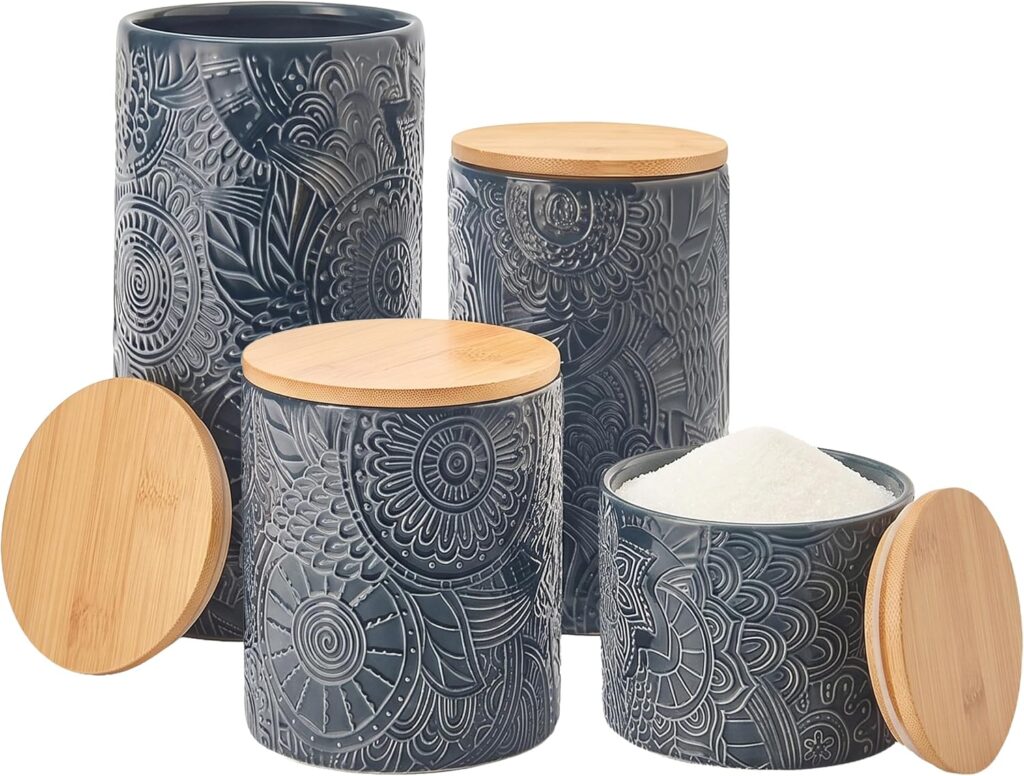
Embossed Ceramic Canister Set
Best for: Frequently used dry staples that you want to keep accessible without displaying their original packaging.
Why it works: The neutral ceramic, subtle texture, and wooden lids introduce warmth while the repeated shapes make the counter feel more cohesive.
What to check: Compare each container’s capacity with the amount you normally purchase. Verify the lid seal, care instructions, interior finish, and suitability for the specific food you intend to store.
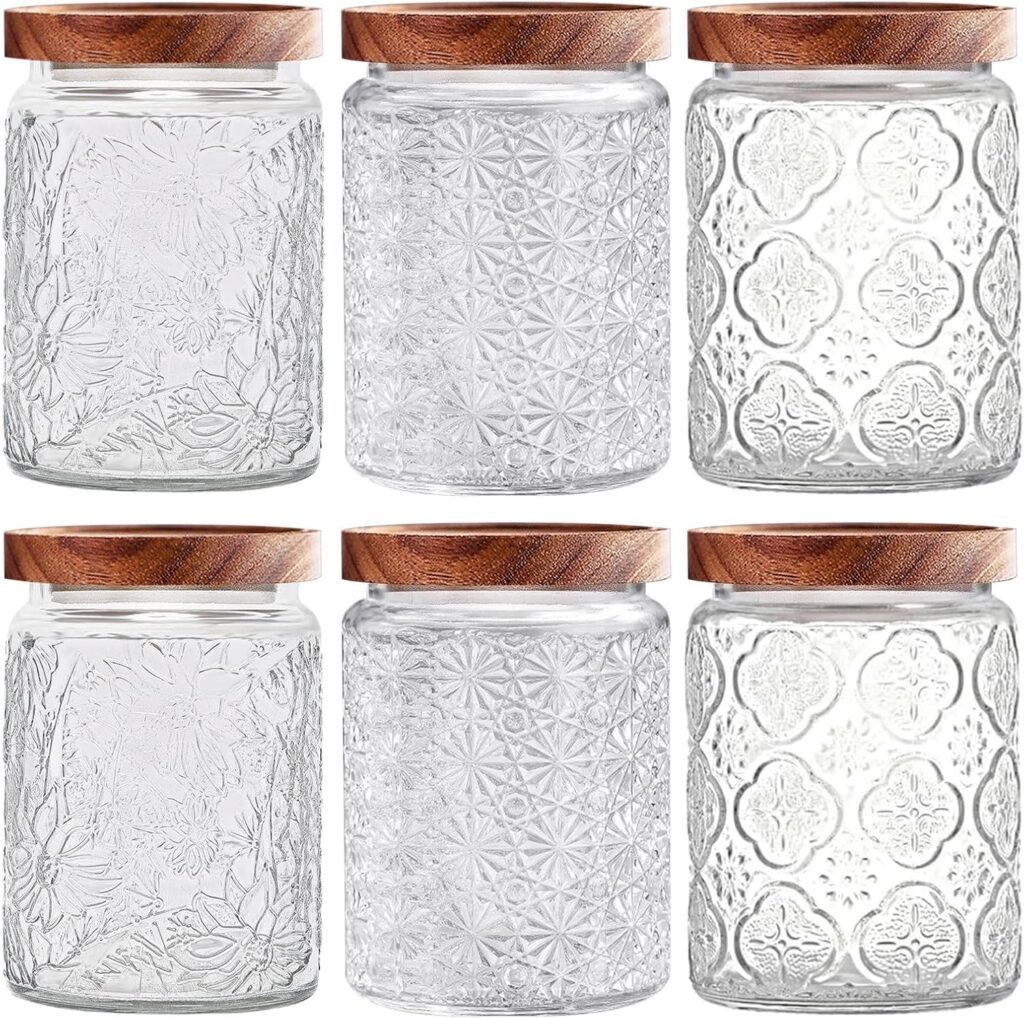
Glass Storage Jars with Wooden Lids
Best for: Ingredients you want to identify at a glance, such as pasta, oats, dried beans, or individually wrapped items.
Why it works: Clear glass makes it easier to see what needs replenishing, while the wooden lids keep the collection from feeling overly utilitarian.
What to check: Verify capacities, opening width, seal design, replacement options for the sealing rings, and whether the glass components are dishwasher-safe. Store light-sensitive ingredients inside a cabinet rather than on a bright counter.
Textiles That Soften a Working Kitchen
Kitchens contain more hard surfaces than almost any other room. Towels and aprons introduce softness, but their real value comes from supporting the work that happens there.
A practical kitchen towel should absorb well, wash easily, and be available in sufficient quantity to rotate frequently. An apron should protect clothing without requiring constant adjustment. When these pieces also complement the room, function and atmosphere begin to work together.

Cotton Kitchen Towels
Best for: Everyday drying, handling minor spills, and maintaining a clean rotation of kitchen textiles.
Why it works: A set of six provides enough towels to use and wash regularly. The restrained colors can remain visible without dominating the room.
What to check: Review the dimensions, fabric weight, washing instructions, shrinkage information, and whether the loop or hanging method works in your kitchen. Keep separate towels for hands, dishes, and cleaning tasks.
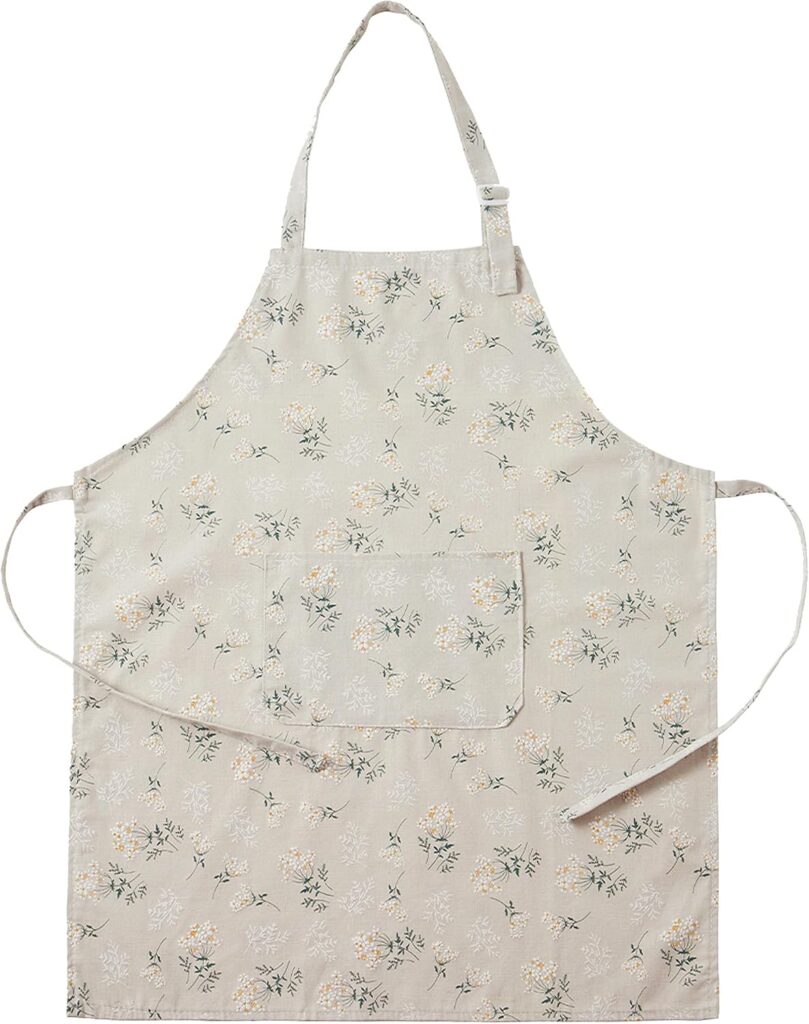
Japanese-Style Cross-Back Apron
Best for: Cooking, baking, gardening, and other tasks where easy coverage matters more than a fitted uniform appearance.
Why it works: The cross-back shape avoids a tight neck strap and can be slipped on without tying a complicated set of strings. Its muted pattern also brings personality to an everyday tool.
What to check: Verify garment measurements, pocket placement, fabric composition, washing instructions, and expected coverage. Product titles sometimes use terms such as “linen” or “linen-style” differently, so confirm the actual material before ordering.
A Kettle for Everyday Rituals
Some objects become part of the rhythm of a home simply because they are used so often. A stovetop kettle can mark the beginning of coffee, afternoon tea, or a quiet evening drink. Its appeal comes from repetition rather than novelty.
A kettle that remains on display should still be chosen first as a working kitchen tool. Capacity, weight, stovetop compatibility, handle placement, and pouring control are more important than color alone.
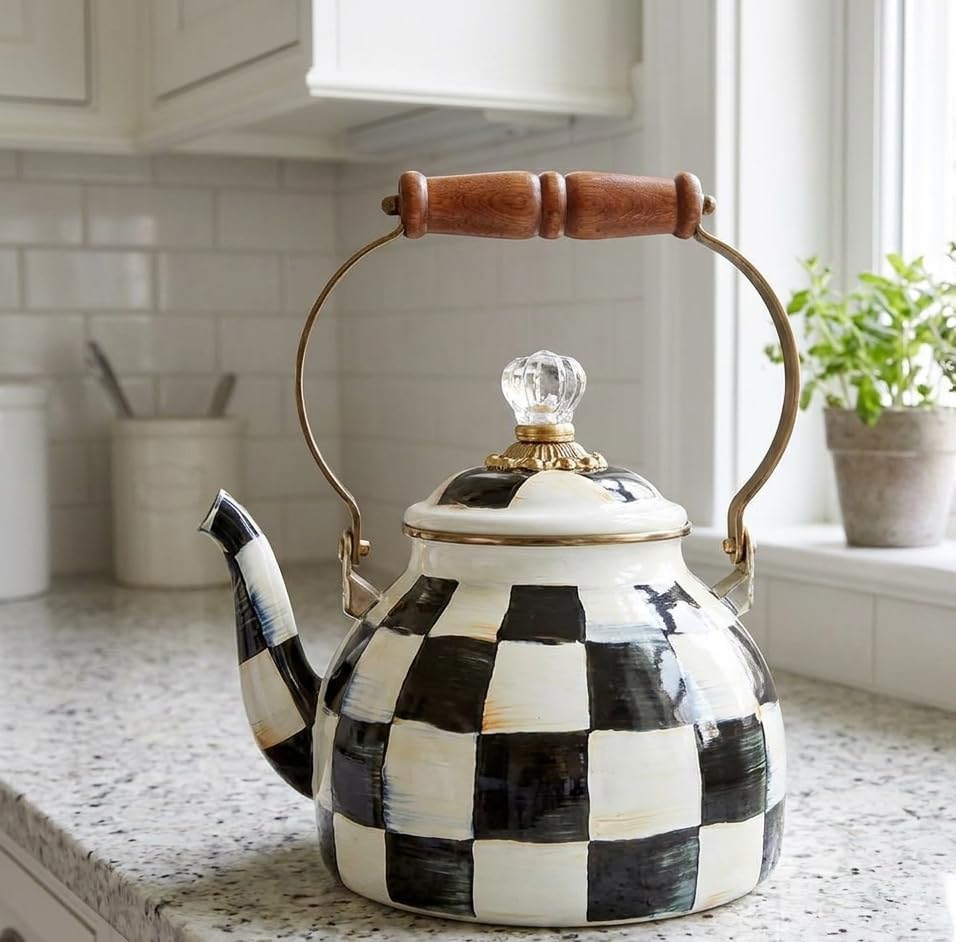
Checkered Enamel Stovetop Kettle
Best for: Someone who uses a stovetop kettle regularly and wants it to add a playful graphic element to the kitchen.
Why it works: The compact silhouette and contrasting pattern give the kettle enough character to remain visible without introducing another countertop appliance.
What to check: Confirm usable capacity, total weight, stovetop compatibility—including induction if needed—and the manufacturer’s instructions for heat level and handle care. Do not assume that every decorative teapot or kettle can be placed directly on a burner.
Lighting That Changes the Evening
Overhead lighting is useful for cleaning and larger tasks, but it can make a kitchen feel flat after dark. Under-cabinet lighting creates another layer: one that illuminates the work surface while allowing the rest of the room to feel softer.
Warm white light around 2700K to 3000K usually creates a gentler evening atmosphere than cooler light. However, brightness, color rendering, placement, and glare also affect how clearly food and work surfaces can be seen.
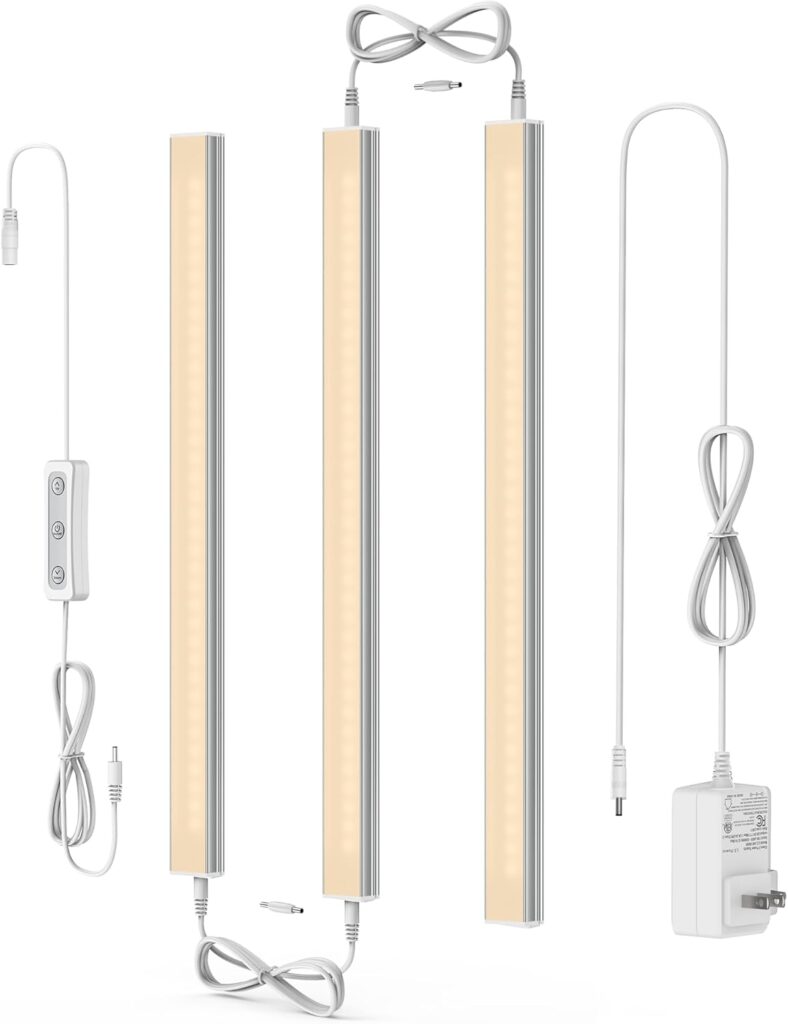
Warm White Under-Cabinet Light Set
Best for: Adding task lighting beneath a run of cabinets while maintaining a warm evening atmosphere.
Why it works: The connectable bars distribute light across more of the counter than a single small lamp, while dimming allows the brightness to change with the task.
What to check: Measure the cabinets and plan the cord route before ordering. Confirm the plug, voltage, dimming method, electrical safety certification, installation requirements, and recommended distance from sinks, steam, and high-heat areas.
A Small Edible Garden
A small herb garden can bring color, scent, and seasonality into the kitchen. It also creates a satisfying connection between something growing near the window and the food being prepared a few steps away.
Herbs are not decorations that can thrive in every empty corner. Different varieties require different amounts of direct light, water, drainage, and growing space. Before choosing a kit, observe how many hours of useful light the intended location actually receives.
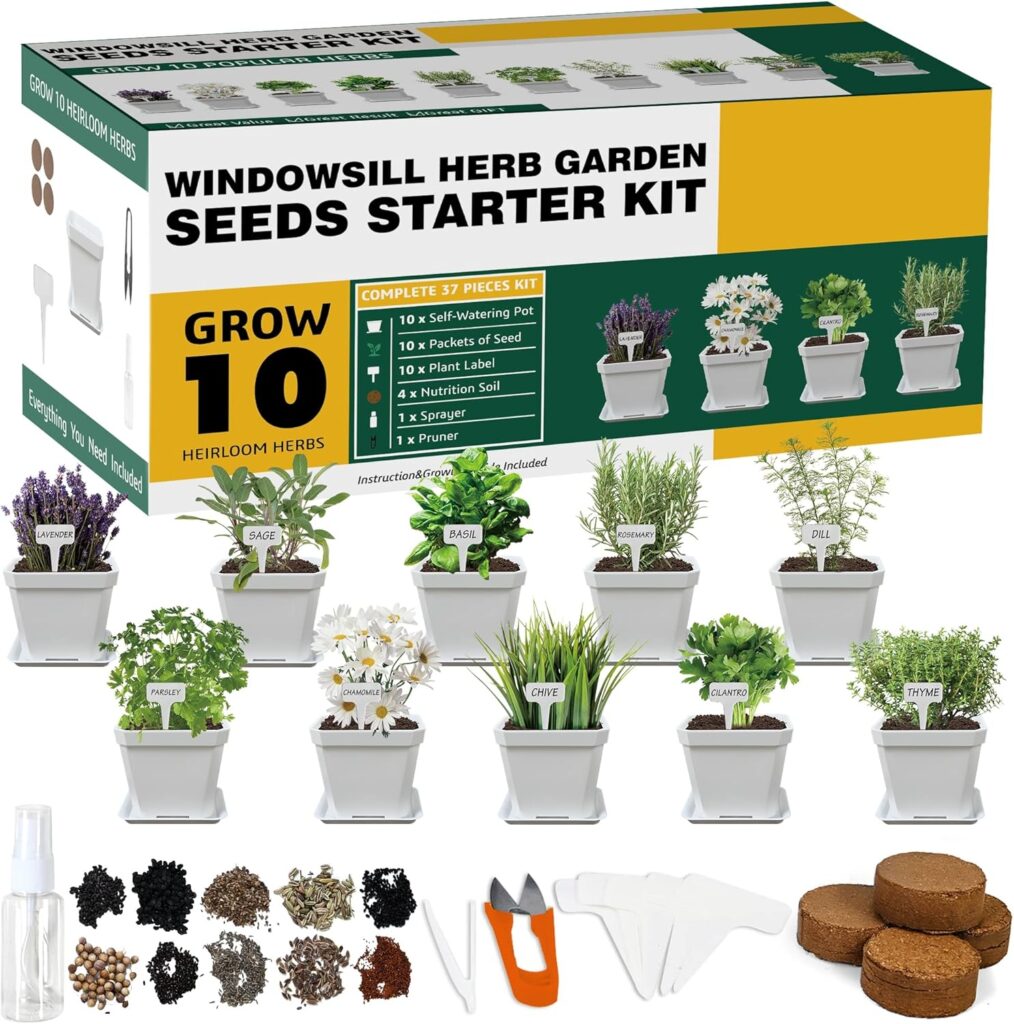
Indoor Herb-Growing Starter Kit
Best for: A beginner who wants to try several culinary herbs before investing in larger planters or an indoor growing system.
Why it works: The kit gathers seeds, starter pots, labels, soil components, and small tools into one project, making it easier to begin with a manageable experiment.
What to check: Review the included herb varieties, seed packaging date, germination guidance, mature plant size, drainage, and light requirements. The starter pots may need to be replaced as successful plants grow.
What to Check Before Ordering Cozy Kitchen Finds
A good kitchen purchase should fit more than the room’s color palette. Before ordering, consider how the object will be used, cleaned, stored, and maintained.
- Measure the available space. Check counters, cabinets, drawers, outlets, and clearance around appliances.
- Read the care instructions. An object that requires more maintenance than you can realistically provide may not remain useful for long.
- Confirm food-contact information. Review materials, finishes, seals, washing instructions, and the manufacturer’s intended use.
- Check compatibility. This is especially important for stovetop cookware, electrical products, replacement components, and installation hardware.
- Consider what it replaces. The best addition often removes a source of friction or clutter instead of simply occupying another surface.
Build the Kitchen Gradually
The most convincing cozy kitchens are rarely assembled all at once. They develop through use: a towel becomes a favorite, a board earns a permanent place beside the stove, and a familiar kettle begins to signal that the day is slowing down.
Begin with the part of the room that currently creates the most friction. If the counter feels crowded, address storage. If evening cooking feels unpleasant, reconsider the lighting. If food preparation feels disorganized, start with the tools you use most.
These cozy kitchen finds are not a checklist. They are possibilities for making ordinary routines more comfortable, functional, and personal. A kitchen becomes the heart of the home through the life that happens there—not through the number of things placed inside it.
“A cozy kitchen does not ask you to cook more. It simply asks you to notice the moments you already spend there.”
Reader Reflection
Which kitchen routine would you most like to make easier or more enjoyable? Before adding something new, choose one small change that would support that moment: clearing a section of the counter, improving the light, preparing a towel rotation, or placing the tools you use every morning within reach.
Continue the Journey
- Create a Cozy Kitchen: Explore the foundational layers of texture, light, and warmth that shape the entire room.
- Coffee Corner Inspiration: Create a small, practical station around one of your most familiar morning rituals.
- Slow Morning Routine: Discover simple ways to begin the day with more space, attention, and intention.
- Cozy Home Office Finds: Continue the Cozy Finds series with a calmer and more supportive workspace.