“A slower digital life begins when we stop giving every notification permission to interrupt the day.”
Technology can make life easier, warmer, and more connected. It helps us work, learn, find inspiration, speak to people we love, and discover ideas we may never have encountered otherwise.
But it can also quietly fill every open space.
A few minutes in line become a scroll. A quiet morning begins with notifications. An evening meant for rest dissolves into one more video, one more article, one more refresh. Nothing feels especially wrong in the moment, yet the day can end with the strange feeling that our attention was everywhere except where we were.
If you have been wondering how to reduce screen time without giving up the useful parts of technology, digital slow living offers a gentler way forward. It is not about throwing away your phone or disappearing from modern life. It is about deciding when technology enters your day, what purpose it serves, and when it is time to set it down.
The goal is not the lowest possible screen-time number. The goal is more room for the life happening around it.
What Is Digital Slow Living?
Slow living is a way of building a more conscious life around what matters most. Digital slow living applies that same intention to our devices: keeping the tools that support us while placing calmer boundaries around the habits that fragment our attention.
It asks simple questions:
Is this technology helping me do something meaningful?
Am I choosing to use it, or reaching for it automatically?
What does this habit add to my day?
What might it be replacing?
The answers will be different for everyone. One person may need social media for work. Another may treasure a family group chat. Someone else may genuinely relax while watching a favorite show in the evening.
Digital slow living does not label these choices as good or bad. It simply replaces unconscious use with intentional use.
You keep the tools that support your life. You soften the habits that make it feel rushed, fragmented, or distant.

Why Our Digital Lives Feel So Fast
Digital life rarely asks us to finish one thing before beginning another. A message arrives while we are reading. A headline interrupts a conversation. A notification appears while dinner is cooking. Even during rest, our attention is invited to move again.
Over time, this constant switching can make an ordinary day feel crowded. The problem is not only the number of hours spent looking at a screen. It is the number of times we are pulled away from the moment in front of us.
A 2025 randomized controlled trial published in PNAS Nexus found that blocking mobile internet on smartphones for two weeks improved participants’ sustained attention, mental health, and subjective well-being. Calls and text messages were still available, and participants could still use the internet on computers. The study did not require them to abandon technology entirely; it simply removed constant mobile access for a limited time.
That distinction matters. A calmer digital life may not require a dramatic escape. Sometimes it begins by reducing how often the online world can reach us.
Digital Slow Living Is Not a Permanent Digital Detox
A digital detox can be useful as a temporary reset. A weekend offline may reveal how often you reach for your phone, which apps leave you unsettled, and what you naturally return to when the screen is no longer the default.
But digital slow living is designed for ordinary life. It turns what you learn during a temporary break into boundaries you can keep after Monday arrives.
It does not depend on perfect discipline or long periods without internet access. Instead, it creates a relationship with technology that can continue on busy weekdays, during demanding seasons, and alongside work that happens online.
Think of it less as a set of restrictions and more as a rhythm:
- connected when connection is useful;
- unavailable when attention belongs elsewhere;
- informed without being constantly updated;
- entertained without losing the entire evening;
- reachable without being permanently interrupted.
The most sustainable boundaries are the ones that still make sense after the novelty of a detox has passed.
How to Reduce Screen Time: Begin With Attention
Before trying to reduce screen time, spend a day noticing it.
This creates a useful baseline without turning the process into a punishment. Stanford Lifestyle Medicine recommends purposeful changes such as setting boundaries, taking regular breaks, creating phone-free spaces, and reducing unnecessary use. The best place to begin is the part of your day that already feels too crowded.
Do not begin with judgment. Simply observe the moments when your hand reaches for your phone:
- immediately after waking;
- while waiting for coffee;
- during meals;
- whenever a task becomes difficult;
- in the middle of a conversation;
- just before sleep.
Your phone’s screen-time report can show how many hours you spend in each app, but the more revealing question is often emotional: How do I feel after using it?
Some digital habits leave us informed, inspired, or connected. Others leave us restless without offering anything memorable in return.
At the end of the day, make two short lists:
Technology that supports my life
This might include maps, music, video calls, creative tools, banking, or a thoughtfully chosen newsletter.
Technology that scatters my attention
This might include unnecessary alerts, habitual news checking, endless short videos, or opening an app without knowing why.
You do not need to remove everything on the second list. Begin by making it slightly less convenient.
Choose Simple Ways to Limit Screen Time
Broad promises such as “I will use my phone less” can feel difficult to keep. Specific phone-free moments are easier to understand and protect. They also give a new habit a clear beginning and ending.
- Choose one or two daily anchors:
- the first twenty minutes after waking;
- breakfast or morning coffee;
- the walk around your neighborhood;
- meals shared with other people;
- the first ten minutes after arriving home;
- the final hour before bed.
These small spaces teach your mind that not every pause must be filled. They also bring texture back to familiar routines: the sound of water boiling, changing light in the room, a real conversation allowed to reach its natural end.
If mornings feel especially hurried, begin with the practices in our Slow Morning Routine. Let daylight, water, movement, or a warm drink greet you before the online world does.
Make Your Home Support an Offline Life
Willpower is rarely as helpful as a well-designed environment.
If your phone sleeps beside you, sits next to every meal, and follows you from room to room, checking it will feel natural. Give it a place to rest instead.
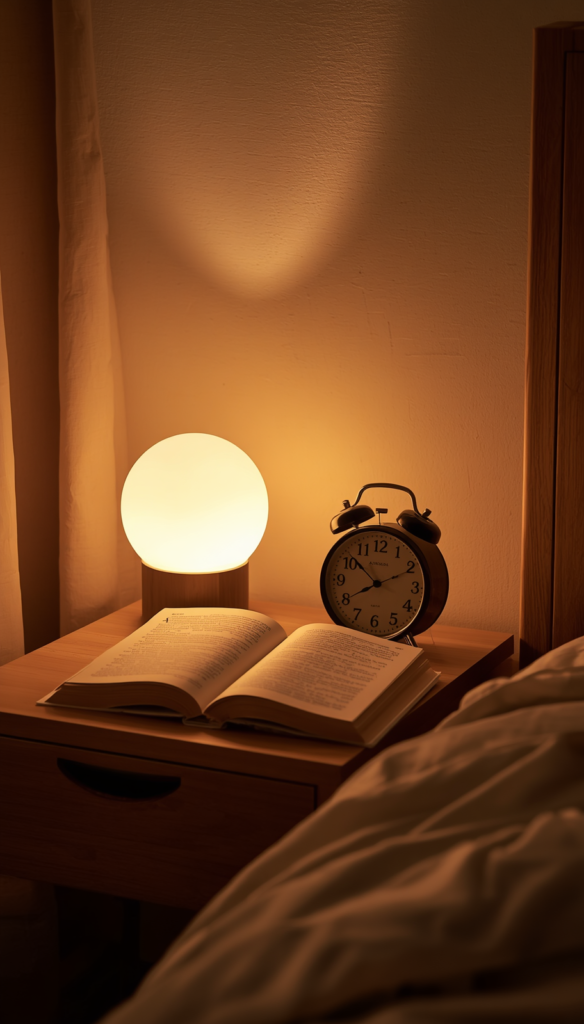
A small charging station in the hallway, kitchen, or home office creates a little distance without making the device inaccessible. Keep a simple alarm clock in the bedroom so your phone does not need to be the last thing you see at night and the first thing you touch in the morning.
Then make offline choices visible:
- place a book on the coffee table;
- leave a puzzle where it can remain unfinished;
- keep a journal and pen beside a favorite chair;
- set a basket near the door for gardening gloves or walking essentials;
- arrange art materials where they are easy to reach;
- create a quiet corner with warm light and comfortable seating.
This is where digital slow living meets the home. A space that invites reading, conversation, making, or simply looking out the window makes it easier to choose something other than a screen.
If you are simplifying your surroundings, Warm Minimalism offers a thoughtful guide to creating calm without making home feel empty.
Replace Scrolling With Something Tangible
Removing a digital habit leaves an open space. If that space has no appealing alternative, the old habit usually returns.
Choose replacements that use your hands, senses, or full attention:
- read one chapter of a physical book;
- prepare tea without bringing your phone into the kitchen;
- write a letter or postcard;
- cook something slowly;
- mend a piece of clothing;
- arrange flowers or branches from the garden;
- take photographs with a camera instead of a phone;
- work on a puzzle;
- sketch the view from a window;
- sit outside for ten quiet minutes.
These activities may appear less exciting than the constant novelty of a feed. That is partly their gift. They give the mind time to settle into one experience instead of repeatedly searching for the next.
Reading is one of the easiest places to begin because it restores depth without demanding productivity. Our guide to Books and Peaceful Living explores how a reading life can become part of a calmer daily rhythm.
Set Gentle Boundaries Around Notifications
Not every app deserves immediate access to your attention. The American Psychological Association’s guidance on healthy technology use highlights the value of reducing interruptions and paying attention to how digital habits affect focus, connection, and daily life.
Turn off notifications that do not involve another person waiting for you or information you genuinely need in real time. Shopping updates, social reactions, breaking-news alerts, games, and promotional messages can usually wait until you choose to open the app.
For the notifications you keep, consider removing sound, vibration, or lock-screen previews. You can also group them into scheduled summaries when your phone allows it.
Next, create intentional times to check messages and email. This does not need to become a rigid schedule. It may simply mean checking after breakfast rather than in bed, or answering nonurgent messages after a focused block of work.
The purpose is not to become unreachable. It is to decide which parts of your day are allowed to remain uninterrupted.
Practice a Screen-Free Evening
Evenings often begin with good intentions. We plan to rest, read, talk, or go to bed early. Then a quick check turns into an hour.
Try giving the final part of the day a visible transition. Dim the lights. Put the phone at its charging station. Make tea. Close the laptop completely instead of leaving it nearby. Choose one quiet activity before the evening begins so you do not have to decide when you are already tired.
A screen-free evening can include:
- reading a few pages;
- listening to a full album;
- taking a bath;
- preparing something for the next morning;
- stretching gently;
- talking without a television in the background;
- writing down the thoughts you do not want to carry into sleep.
It does not need to last all night. Begin with thirty minutes. The intention is to create a soft edge between the stimulation of the day and the stillness needed for rest. The Sleep Foundation notes that evening electronics can delay the natural sleep-wake cycle, while reducing screen use before bed may help the mind and body settle.
For a more atmospheric reading ritual, explore Quiet Reading Nights.
Let Boredom Return
Boredom has almost disappeared from daily life. There is always something to check, watch, read, or refresh.
Yet small stretches of unfilled time allow thoughts to wander. They make room for memories, observations, and ideas that cannot compete with constant input. They also help us rediscover what we enjoy when an algorithm is not offering the next option.
The next time you wait in line, sit in a parked car, or arrive a few minutes early, resist filling the pause immediately. Notice the room. Watch the weather. Let your mind move at its own pace.
At first, the moment may feel empty. Stay long enough and it begins to feel spacious.

Follow a Seven-Day Plan to Reduce Screen Time
You do not need to redesign your entire digital life at once. Use this gentle reset to discover which ways to limit screen time make the greatest difference in your own day.
Day 1: Notice
Look at your screen-time report and observe when you reach for your phone automatically. Change nothing yet.
Day 2: Quiet the Alerts
Turn off notifications from three apps that do not need immediate access to you.
Day 3: Protect the Morning
Wait twenty minutes after waking before checking your phone. Open the curtains, drink water, or make coffee first.
Day 4: Give the Phone a Home
Choose one charging place outside the bedroom or away from your favorite resting spot.
Day 5: Choose One Analog Pleasure
Read, cook, garden, draw, mend, write, or take a walk for thirty minutes without a screen nearby.
Day 6: Create a Screen-Free Evening Hour
Decide in advance what you will do instead. Keep it simple and comforting.
Day 7: Keep What Helped
Ask yourself:
- When did I feel most present?
- Which boundary felt natural?
- What did I enjoy having time for again?
- Which digital habit still feels too loud?
Keep only the practices that made your days feel better. Digital slow living should make life more spacious, not give you another routine to perform perfectly.
Build a Digital Life That Reflects Your Values
The most useful measure of digital well-being is not a perfect screen-time number. It is whether your technology use reflects the life you want to live.
If you value closeness, protect conversations from interruption.
If you value creativity, leave some mental space unfilled.
If you value rest, give your evenings a quieter ending.
If you value learning, choose depth over endless fragments.
If you value a warm and present home, let some rooms and rituals remain offline.
This is the heart of digital slow living: not withdrawal, but discernment. Technology remains part of life, while attention returns to your hands.
And perhaps that is enough. Not a dramatic disappearance. Not a perfect detox. Just more mornings that begin in the room you are in, more meals you remember tasting, more pages read without interruption, and more evenings that feel like your own.
Frequently Asked Questions About Digital Slow Living
What is digital slow living?
Digital slow living is the practice of using technology more intentionally. It focuses on keeping digital tools that support your values while reducing automatic scrolling, unnecessary notifications, and constant online availability.
Is digital slow living the same as a digital detox?
No. A digital detox is usually a temporary break from devices or online platforms. Digital slow living is an ongoing, flexible approach that helps technology fit more calmly into everyday life.
How can I reduce screen time without deleting social media?
Turn off nonessential notifications, remove social apps from your home screen, choose specific times to check them, and create phone-free periods during meals, mornings, or evenings. Making an app slightly less convenient can reduce automatic use without requiring you to delete your accounts.
What are some simple screen-free activities?
Reading, walking, cooking, gardening, journaling, puzzles, drawing, listening to music, writing letters, and sharing an uninterrupted meal are all simple ways to enjoy time offline.
Can I practice digital slow living if I work online?
Yes. Focus on the edges around your work rather than trying to avoid screens completely. Protect breaks, turn off unrelated alerts, keep personal apps closed during focused work, and create a clear end-of-day ritual when the laptop is put away.
Continue the Journey
Slow Hobbies: Peaceful Ways to Spend Less Time Online — Find quiet, tactile activities that make time away from a screen feel inviting rather than restrictive.
Simple Living Moments: Finding Joy in Ordinary Days — Return your attention to the small rituals and familiar pleasures that give an ordinary day meaning.
Slow Morning Routine — Create a calmer beginning before notifications and unfinished tasks enter the room.
Quiet Reading Nights — Turn the final part of the day into a gentle reading ritual with fewer digital distractions.
Warm Minimalism: How to Create a Calm Home That Still Feels Cozy — Shape a warm, uncluttered home that naturally supports rest, reading, and offline time.